CORDURA — Clarify the sample before approving the brief
Turn a worn reference, a fabric swatch or a construction question into a comparison that can be reviewed.
- Brief
- Sample
- Approval
- Order context
A sample comparison needs a controlled question
Describe the difference
- What should stay the same?
- Which construction or finishing property needs review?
- How will the next sample be assessed?
When the reference is incomplete
A worn swatch records its history unevenly. Separate evidence of rubbing, laundering and sunlight from the original material construction. Photograph the face, reverse and selvedge, record the sample origin, and mark any area affected by adhesive or seam stress. An unidentified remnant can guide a discussion about handle, but it cannot establish a production specification.
Start with the part of the application that experiences wear. For an outdoor panel, describe the rubbing surface and whether wetting, grit or repeated folding accompanies that contact. For workwear reinforcement, identify bending zones and the planned cleaning process. These observations explain why a nominally similar nylon fabric may need a different weave construction or finishing route.
Keep the properties that must remain stable in a separate list. Fiber composition, GSM, usable width and shade reference help identify a candidate; abrasion resistance, tear strength and seam slippage address different failure modes. Record a target and its tolerance beside the relevant method rather than asking for a generally stronger material. A heavier sample can alter drape and assembly without answering the original wear question.
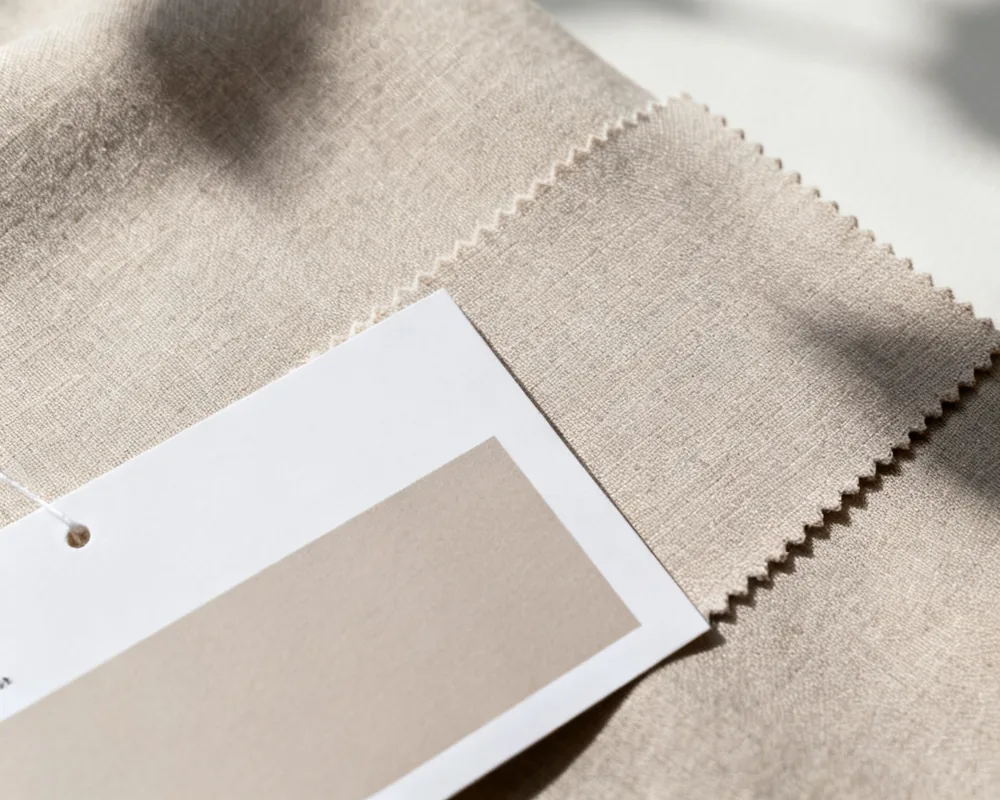
Compare physical samples under the same viewing and handling conditions. Align warp and weft, inspect the face and backing, then bend the material around the intended seam shape. Where a coating or lamination is part of the selected construction, review adhesion and sewing compatibility independently. Surface water repellency does not establish waterproofness, and a barrier result does not establish moisture transmission.
Before a bulk decision, retain the dated reference and identify which proposed changes require another review. A revised finish, color or substrate can change more than appearance. Match any report to the actual material and specimen condition, including washing or abrasion pretreatment where relevant. Stock selection requires a current batch and shade check; custom development needs a documented approval point before changes are accepted.
Supply context belongs with the technical brief: approximate quantity, destination, required supply format and any cutting constraints. Ask for applicable roll identification and packing details at the material level. Availability, sample timing and commercial terms need a separate confirmation against the selected reference. The useful output of clarification is a written comparison question and an agreed evidence path, rather than an assumed equivalence between two fabrics.
Send the sample difference for review
Share the sample reference and order context.